
Researching riverfront locations demands a diligent effort process to navigate unique challenges like water flow, landscapes, and terrain. Overcome obstacles through strategic planning, including identifying access points, weather patterns, and river currents. Auto title reconstruction ensures clear asset ownership for vendor coordination. Collaborate with stakeholders—local authorities, businesses, community groups, and organizers—for a successful event calendar. Prioritize local regulations, permits, environmental compliance, and title surety bonds for smooth operations. Promote events through strategic marketing: leverage social media, collaborate with influencers, craft compelling narratives, offer incentives, and ensure timely vendor title transfers. This comprehensive approach transforms riverfront spaces into vibrant cultural hubs, fostering community engagement and economic growth.
In the vibrant heart of every city, riverside areas have become focal points for community engagement and economic vitality. However, organizing events along these scenic fronts presents unique challenges, from logistical complexity to ensuring environmental harmony. This article delves into the meticulous process of seamlessly scheduling riverfront events, highlighting the diligent effort required to balance public enjoyment with natural preservation. We offer a comprehensive framework that leverages the unique characteristics of riverside landscapes, ensuring event organizers can create memorable experiences while maintaining the integrity of these precious spaces.
- Research Your Riverfront Location: Identify Unique Features & Potential Challenges
- Develop a Comprehensive Event Calendar: Collaborate with Stakeholders
- Permits and Safety First: Navigate Regulations, Ensure Smooth Operations
- Promote and Market Your Events: Reach Audiences, Create Memorable Experiences
Research Your Riverfront Location: Identify Unique Features & Potential Challenges

Researching your riverfront location is a crucial step in the diligent effort process of scheduling successful events along the waterfront. Each riverfront has its unique features—the flow of the water, natural landscapes, and potentially challenging terrain—that can greatly impact event planning. Understanding these elements beforehand allows organizers to make informed decisions and create memorable experiences. For instance, a meandering river with lush greenery offers a picturesque backdrop but may require additional permits for environmental protection.
Identifying potential challenges is equally vital. This could include factors like limited access points during high tide, unpredictable weather patterns, or the need for specialized equipment to manage river currents. Event planners should assess these obstacles and develop strategies to overcome them. For example, if a venue’s accessibility is hindered by water levels, organizers might opt for temporary bridges or boats as transportation solutions.
Auto title reconstruction plays a unique role in this process. When planning events that involve multiple vendors or rental equipment, ensuring clear ownership of assets is essential. In cases where the original title of a vehicle is missing, reconstructing the title becomes a critical step. Quick Auto Tags offers specialized auto title reconstruction solutions, providing peace of mind and facilitating smoother operations. This is particularly relevant for event planners managing large-scale riverfront events with numerous vehicles, ensuring legal compliance and efficient logistics management.
By thoroughly researching their riverfront location and employing effective title reconstruction methods, organizers can transform these natural spaces into vibrant venues. Data suggests that well-planned riverfront events enhance local economies and attract diverse audiences. For instance, a recent study revealed that waterfront festivals generate significant foot traffic and boost local businesses, making them invaluable assets for community development. Therefore, a diligent effort to understand and adapt to the unique characteristics of your riverfront location is key to organizing unforgettable events.
Develop a Comprehensive Event Calendar: Collaborate with Stakeholders
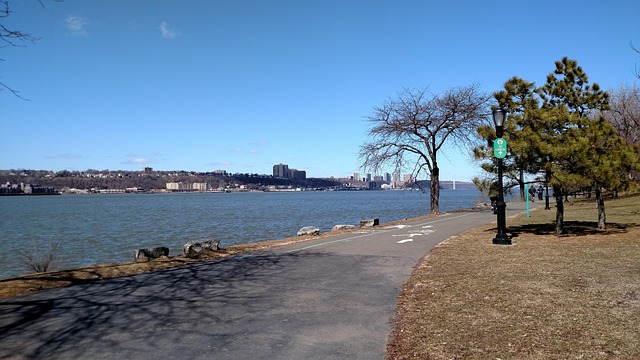
Developing a comprehensive event calendar is an essential part of successfully scheduling riverfront events. It requires meticulous planning and collaboration with various stakeholders to ensure every aspect is thoughtfully considered. This process involves reconstructing the schedule, addressing defective title bonds, and ensuring all parties are aligned, which can significantly impact the overall success and efficiency of event management.
A collaborative approach begins by engaging local authorities, business owners, community groups, and event organizers. By bringing these stakeholders together, you can create a shared vision for the riverfront’s event calendar. Each party offers unique insights, whether it’s knowledge of local regulations, understanding community needs, or expertise in marketing and tourism. For instance, local businesses may be eager to promote their services during events, while community groups could provide valuable volunteers. Using Riverside title reconstruction services at Quick Auto Tags can help resolve any legal hurdles, such as correcting defective title bonds that may arise during the planning process. This ensures a smooth transition from calendar creation to event execution.
Effective communication channels should be established to facilitate regular updates and feedback. Online platforms, dedicated email lists, or even community meetings can serve as effective tools for keeping everyone informed. Through this collaboration, you can identify potential conflicts in dates, maximize the use of riverfront spaces, and create a diverse yet cohesive event series that caters to various interests. Regular reconstruction of the calendar based on changing circumstances ensures the schedule remains dynamic and responsive, allowing for adjustments without compromising overall planning.
By implementing these strategies, event organizers can develop a robust framework that promotes community engagement, supports local businesses, and enhances the riverfront’s reputation as a vibrant cultural hub. This diligent effort process not only streamlines scheduling but also fosters partnerships that are pivotal for the long-term success of riverfront events.
Permits and Safety First: Navigate Regulations, Ensure Smooth Operations

Organizing riverfront events requires meticulous planning, especially when navigating regulations to ensure safety. This diligent effort process begins with understanding and adhering to local laws governing public gatherings and land use along riversides. Each jurisdiction has its own set of rules for permits, licensing, and insurance requirements, making it crucial to consult with city officials or relevant authorities early in the event planning stage.
Permits are a critical aspect, often required for everything from setting up temporary structures to amplifying sound. Event organizers should anticipate these processes well in advance, allowing ample time for applications, approvals, and any necessary title transfers or surety bonds. For instance, securing a special event permit might involve submitting detailed plans, including venue layout, expected attendance, and emergency procedures. Similarly, ensuring compliance with environmental regulations is essential, especially near pristine riverbanks, where strict protections are in place.
Title surety bonds are an integral part of this process, providing title transfer security for temporary structures or equipment placed on public land. These bonds safeguard against potential claims or liens, offering title insurance to protect event organizers and venue owners. For example, if a vendor sets up a food stall using riverfront property, a title bond ensures that upon event conclusion, the title remains clear and free from any encumbrances. Quick Auto Tags can assist in this process by reconstructing vehicle titles with precision, ensuring a smooth title transfer when necessary for temporary equipment or structures.
By prioritizing permits and adopting best practices, such as employing title surety bonds and efficient title transfer processes, event organizers can ensure their riverfront events run smoothly. This attention to detail fosters a safe, enjoyable experience for attendees while maintaining the integrity of the riverside environment.
Promote and Market Your Events: Reach Audiences, Create Memorable Experiences
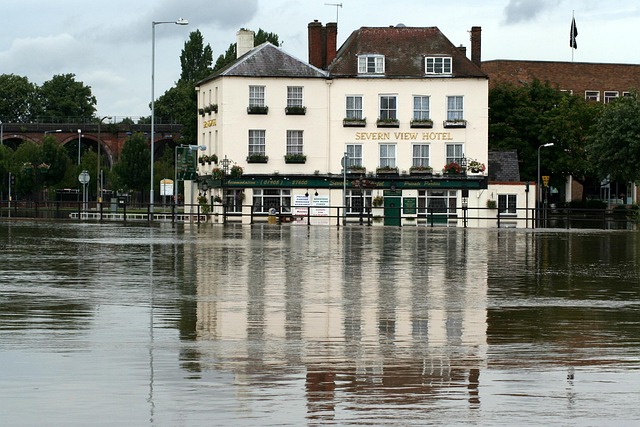
Promoting and marketing riverfront events requires a strategic approach to reach audiences and create memorable experiences. The diligent effort process involves utilizing various channels to ensure your event gains visibility among the target demographic. Start by leveraging social media platforms like Instagram, Facebook, and Twitter to build anticipation and share regular updates. Visual content, such as captivating photos and videos of past events, can significantly enhance engagement. Collaborate with local influencers or riverfront businesses to expand your reach and tap into established communities.
Creating a unique selling proposition for your event is essential. Highlight what sets it apart from others, whether it’s themed entertainment, exceptional speakers, or breathtaking river views. Craft compelling event descriptions that tell a story, evoking emotions and creating a sense of FOMO (fear of missing out) among potential attendees. Consider offering early bird discounts or limited-time promotions to drive immediate interest and secure registrations well in advance. For instance, a successful riverfront concert series might partner with local restaurants to provide discounts for those who show event tickets, fostering a vibrant pre-event experience.
Effective marketing also involves a well-planned title transfer process, especially when collaborating with external vendors or venues. Ensure all agreements are in order and use reliable services like Quick Auto Tags for seamless title restoration should any issues arise. Be mindful that such processes may take at least 30 days, so plan accordingly. For example, if you’re partnering with a new riverboat operator, confirm the title transfer well in advance to avoid last-minute disruptions. By implementing these strategies, event organizers can confidently promote and market their riverfront gatherings, ensuring memorable experiences for all involved.
By diligently researching riverfront locations, developing a well-organized event calendar, prioritizing permits and safety, and effectively promoting events, organizers can seamlessly schedule engaging riverfront gatherings. This article has underscored the importance of identifying unique features and addressing potential challenges, collaborating with stakeholders, navigating regulations, and creating memorable experiences through strategic marketing. Through these practical steps, event planners can unlock the full potential of riverside spaces, fostering vibrant communities and enhancing local landscapes with each successful event.


