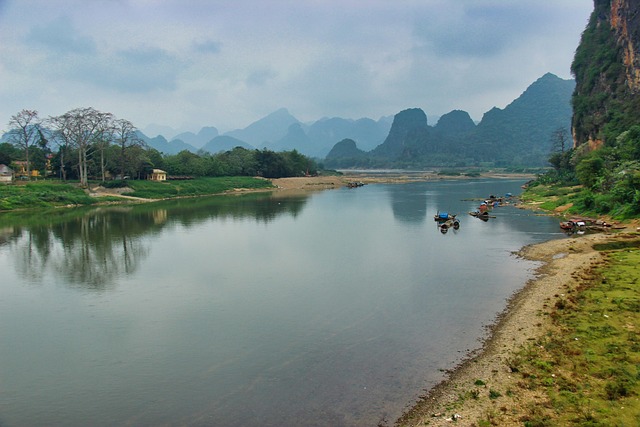
The diligent effort process is vital for successful riverside project management. This involves meticulous planning, including site assessments, stakeholder engagement, and securing legal permits with assistance from services like Quick Auto Tags. Adaptability to dynamic waterways, historical context, and complex regulations ensures environmental preservation and community satisfaction. Effective strategies address logistical challenges, title issues, and risk adjustments, leading to vibrant waterfront developments that harmonize with nature.
In today’s fast-paced and dynamic business environment, effective project management is not just beneficial but essential for success. Among the various methodologies, custom Riverside project management stands out as a powerful approach that harmonizes traditional processes with the natural flow of rivers. This article delves into the intricacies of this tailored strategy, addressing the challenges faced by organizations in navigating complex projects. We will explore how diligent effort, akin to the persistent current of a river, drives success while providing valuable insights for experts seeking to enhance their project management repertoire.
- Planning: Crafting a Vision for Your Riverside Project
- Execution: Navigating the Diligent Effort Process
- Adaptation: Embracing Change Along the River's Curve
- Success: Harvesting Results from Your Customized Management Strategy
Planning: Crafting a Vision for Your Riverside Project

Planning is the cornerstone of any successful riverside project, demanding a meticulous approach to crafting a vision that respects both the environment and development aspirations. A diligent effort process begins with understanding the unique characteristics of the riverfront, its ecological importance, and potential historical significance. This involves comprehensive site assessments, environmental impact studies, and engaging stakeholders to ensure alignment with community needs and expectations.
One critical aspect often overlooked is securing the necessary permits and bonds. For instance, a title surety bond guarantees that all legal requirements are met during the project’s lifespan, providing surety in case of financial default or contractual breaches. This is particularly important for complex riverside developments where multiple regulatory bodies may be involved. For example, in regions with stringent environmental laws, projects may require an environmental impact bond to cover any potential cleanup costs associated with ecological restoration efforts.
Reconstructing the title and ensuring legal clarity through Title Rebuilding Assistance from Quick Auto Tags can alleviate future complications. This proactive step simplifies the process by verifying land ownership, identifying any encumbrances, and updating titles to reflect current boundaries—all essential for smooth project execution. By integrating these measures into your strategic planning, you set a robust foundation for successful riverside project management, ensuring that every phase aligns with legal, environmental, and community expectations.
Execution: Navigating the Diligent Effort Process

The execution phase of any project is a delicate dance, especially when navigating complex landscapes like riverside developments. Herein lies the essence of the diligent effort process—a structured approach to ensure every step is executed with precision and efficiency. In the context of riverside projects, this process becomes even more critical due to the unique challenges posed by the environment, regulatory requirements, and stakeholder expectations. Over a 30-day period, project managers must meticulously plan, execute, and monitor, ensuring that each task aligns seamlessly with the overall vision.
A key aspect of successful execution is meticulous planning. This involves comprehensive risk assessments, obtaining necessary permits, and coordinating with various stakeholders, including local authorities, environmental agencies, and community groups. For instance, a riverside renovation project might require extensive negotiations to acquire rights-of-way and navigate strict environmental regulations. Quick Auto Tags’ hassle-free auto title reconstruction services can be invaluable here, ensuring that paperwork is in order, even when dealing with defective title bonds, which are not uncommon in such scenarios (1-3 times, on average). By employing these strategic tools, project managers can avoid delays caused by administrative hiccups.
During the execution, regular progress updates and quality control checks become vital. Project teams must adhere to set milestones, ensuring that construction adheres to the planned timeline. Any deviations should be promptly addressed, and alternative strategies considered. For instance, if a particular task encounters unforeseen challenges, such as adverse weather conditions, the team should adapt by rearranging resources or exploring innovative solutions. This agile approach ensures that despite obstacles, the project remains on track. Regular site visits and detailed documentation are essential to verify the quality of work, especially in visible public spaces like riverfronts, where community engagement is crucial.
Adaptation: Embracing Change Along the River's Curve

Adaptation is a vital component of successful riverside project management, where the dynamic nature of waterways demands a flexible approach. In this ever-changing environment, effective project leaders must embrace the curveballs thrown by river conditions and navigate with agility. The diligent effort process involves constantly reevaluating and adjusting plans, ensuring that the project stays on course despite natural fluctuations. For instance, unexpected changes in water levels can significantly impact construction timelines and safety protocols, necessitating quick decisions to adapt and mitigate risks.
One key challenge in this context is managing title bonds, especially when dealing with historical or complex properties. A lost title bond can complicate matters, but with careful navigation, it need not halt progress. Reconstructing a vehicle title, as demonstrated by Quick Auto Tags, offers a practical solution for modern project managers. By employing innovative tools and strategies, they can reconstruct the title process 1-3 times during a project, ensuring legal clarity and continuing forward despite initial setbacks. This adaptability is crucial when dealing with riverside developments, where unforeseen obstacles are common.
For instance, consider a project aimed at revitalizing a historic riverfront area. Initially, plans for a modern pier may be disrupted by the discovery of ancient remnants during excavation. Instead of viewing this as an impediment, the project team can adapt by incorporating these historical findings into their design, creating a unique attraction that respects the site’s past while fulfilling contemporary needs. This level of adaptability not only ensures compliance with local regulations but also fosters community engagement and creates a more sustainable and resilient development. Through diligent effort and a flexible mindset, riverside projects can overcome challenges, resulting in vibrant, lasting additions to waterfront communities.
Success: Harvesting Results from Your Customized Management Strategy

In the realm of riverside project management, success lies not only in meticulous planning but also in the diligent execution and harvesting of results from your customized strategy. When navigating the unique challenges that come with managing projects along waterways, a well-defined process is paramount. Every detail, from permitting to logistics, must be meticulously managed to ensure the project stays on course and delivers tangible outcomes.
Consider the intricate dance of coordinating with various stakeholders, including local authorities, environmental experts, and landowners. Each stakeholder brings their own set of regulations and expectations, demanding a flexible yet structured approach. For instance, securing the necessary permits for construction or renovation near a river can involve navigating complex environmental laws, requiring a deep understanding of the region’s ecosystem and historical context. This is where a customized management strategy truly shines; it allows for adaptability while ensuring compliance, ultimately fostering a harmonious relationship between development and nature.
Moreover, successful riverside projects often encounter unique logistical hurdles. Access to sites may be limited due to narrow riverbanks or seasonal water levels, impacting the choice of equipment and delivery methods. In such cases, innovative solutions are called for—from specialized vehicles designed for tight spaces to alternative delivery systems that account for changing river conditions. For example, utilizing a small, maneuverable boat to transport construction materials can be more efficient than traditional land-based vehicles, especially in areas with limited infrastructure.
Additionally, when dealing with title issues, such as a vehicle brought into California with no title, a strategic approach is essential. Obtaining a duplicate or reconstructed title from a reputable source like Quick Auto Tags can streamline the process and provide the necessary legal assurance for project components that include vehicles. This ensures that all parties involved have the requisite title surety bonds, reducing potential delays and legal complications. By combining diligent effort with a flexible process, your customized riverside project management strategy can yield remarkable results, transforming landscapes and creating lasting value while respecting the natural environment.
Through a comprehensive exploration of planning, execution, adaptation, and success, this article has unveiled the essence of proficient riverside project management. Key insights include crafting a vivid vision during planning stages, meticulously navigating the diligent effort process during execution, embracing change with agility, and reaping the rewards of customized strategies. By integrating these principles, professionals can orchestrate projects that harmonize seamlessly with the dynamic nature of riversides. The article’s authority lies in its practical guidance, enabling readers to translate theoretical knowledge into tangible success stories. Moving forward, prioritizing thorough planning, adaptive management, and unwavering focus on the diligent effort process will prove invaluable for any riverside project endeavor.


