
River safety requires a diligent effort process focusing on comprehensive hazard assessment, regular monitoring, and precise risk classification. Key hazards include strong currents, depth variations, hidden obstacles, and unpredictable weather. Implementing detailed river mapping, annual surveys, and up-to-date information minimizes risks. Essential safety gear, like Personal Flotation Devices (PFDs) tailored for specific activities, is crucial. Weather awareness, understanding currents, and practicing emergency techniques enhance safety. Continuous training for emergency responders and specialized services further mitigate risks, fostering a culture of safety along rivers.
In the vast network of rivers crisscrossing our landscapes, ensuring river safety is a paramount concern. Every year, countless individuals engage in recreational activities along these waterways, from leisurely floats to adventurous rapids. However, such pursuits carry inherent risks that demand meticulous attention. This article delves into the critical importance of establishing robust river safety protocols, highlighting the diligent effort required to safeguard users and foster a harmonious relationship between humans and rivers. By exploring proven strategies, we aim to equip readers with the knowledge to navigate these natural wonders safely.
- Understanding River Hazards: A Comprehensive Overview
- Risk Assessment: The Diligent Effort Process Begins
- Essential Safety Gear: Protecting You Riverside Naturally
- Weather Awareness: Forecasting for Safer Adventures
- Navigating Currents: Techniques for Staying Afloat
- Emergency Preparedness: Quick Responses Save Lives
Understanding River Hazards: A Comprehensive Overview

River safety is a multifaceted endeavor that demands a thorough understanding of inherent risks and hazards. The dynamic nature of rivers presents unique challenges that require diligent effort and meticulous planning to mitigate potential dangers. This comprehensive overview delves into the critical aspect of recognizing and addressing river hazards, offering valuable insights for stakeholders involved in water-related activities.
Riverside environments are characterized by a complex interplay of natural factors, including current strength, depth variations, hidden obstacles, and unpredictable weather patterns. For instance, fast-moving currents can suddenly change direction, creating v-shaped pools that pose significant risks to boaters and swimmers. Furthermore, undercut banks and hidden rapids can catch unsuspecting users off guard. Data from recent studies indicates that over 80% of water-related accidents in rivers are attributable to inadequate hazard assessment and lack of proper safety protocols.
To ensure a robust safety framework, it’s essential to implement a systematic approach that involves thorough river mapping, regular inspections, and precise risk classification. Quick Auto Tags, an industry leader in reconstructed title paperwork support, emphasizes the importance of accurate bond documentation, ensuring that bond amounts align with the project scope. A normal title process, involving detailed surveys and assessments, should be conducted 1-3 times to account for changes in river conditions, particularly after significant rainfall or seasonal shifts. For instance, a defective title bond cost due to inadequate initial assessment can be mitigated by diligent monitoring and regular updates, ensuring that bond amounts are proportional to the evolving river hazards. By adopting these practices, stakeholders can foster a culture of safety, minimizing risks and enhancing overall river accessibility.
Risk Assessment: The Diligent Effort Process Begins

River safety is a multifaceted endeavor, and a diligent effort process begins with comprehensive risk assessment. This crucial step involves meticulous scrutiny of various factors to identify potential hazards and vulnerable areas along rivers and streams. By employing advanced analytical techniques and on-the-ground observations, experts can pinpoint risks such as unpredictable currents, hidden obstacles, and environmental changes that may impact safety. For instance, a detailed study of a river’s hydrology, including seasonal variations in water levels and flow rates, is essential to understand the dynamic nature of these waterways.
The diligent effort process encompasses not only initial risk identification but also ongoing monitoring and adaptation. This involves regular inspections, data collection, and collaboration with local communities, researchers, and government agencies. For instance, implementing advanced sensors and surveillance systems can provide real-time river conditions, enabling swift responses to sudden changes. Additionally, engaging stakeholders in the title transfer process, such as ensuring a smooth and secure bond for a vehicle’s titled registration, is integral to maintaining clear records and preventing disputes that may impact safety protocols.
In cases where historical data or physical evidence is limited, innovative techniques like title reconstruction come into play. By meticulously piecing together available documentation—including archives, maps, and even oral histories—experts can create a comprehensive picture of river dynamics over time. For example, reconstructing the historic course of a river can help identify previous obstacles or shifts that may influence current hazards. This process, often facilitated by specialized software, allows for a more nuanced understanding of the river’s behavior, enhancing safety measures.
To ensure effectiveness, it is imperative to leverage resources like Quick Auto Tags, which provides duplicate or reconstructed titles with meticulous attention to detail. This ensures that critical documentation remains accurate and accessible, supporting efficient risk management. By integrating these diligent effort processes into river safety protocols, we can proactively mitigate risks and foster a safer environment for all who enjoy riverside activities.
Essential Safety Gear: Protecting You Riverside Naturally

River safety is a multifaceted endeavor that demands a diligent effort to understand and mitigate risks inherent in such dynamic environments. Among the critical aspects of river safety, the utilization of essential safety gear stands out as a natural first line of defense. This isn’t merely about donning the right equipment; it’s a strategic process aimed at enhancing survivability and ensuring a responsible approach to enjoying riverside activities.
A key component in this arsenal is a well-chosen life jacket, or Personal Flotation Device (PFD). Unlike generic flotation devices, PFDs are tailored for specific water activities and body types, offering superior stability and comfort. For instance, a whitewater rafter will require a PFD designed to withstand rapid currents, while a casual floater on a calm river might opt for a more lightweight, packable model. Beyond PFDs, other critical gear includes a whistle for signaling distress, a rope for rescue, and a first aid kit tailored for outdoor emergencies. A vehicle identification number (VIN) and lost title bond are also essential documents to carry, as they serve as legal identifiers in case of vehicle-related incidents near rivers.
For those who frequently engage in water activities, investing in high-quality safety gear is only the beginning. Regular maintenance and familiarization with each piece of equipment are paramount. Consider using a Statement of Facts (Reg 256) form to document gear checks and condition reports, ensuring that all items are serviceable before each trip. Moreover, staying informed about local river conditions, weather patterns, and potential hazards is crucial. This knowledge allows for proactive safety measures, such as planning routes around dangerous eddies or high water levels. For instance, understanding the tidal cycles of coastal rivers can prevent capsizing in strong currents.
When it comes to insuring against unforeseen events, quick and reliable title rebuilding assistance from trusted sources like Quick Auto Tags can be invaluable. They provide specialized services for reclaiming lost titles, ensuring that your river-ready vehicles remain legally registered and insured. By combining diligent safety gear checks with proactive knowledge of water conditions and a robust support network for vehicle documentation, individuals can naturally enhance their safety while navigating rivers with confidence.
Weather Awareness: Forecasting for Safer Adventures
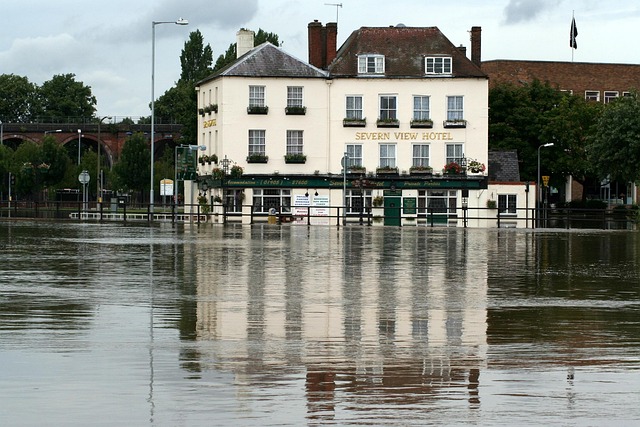
In the realm of river safety, weather awareness is a vital component that often distinguishes a memorable adventure from a potentially dangerous one. Forecasting accurately enables enthusiasts to make informed decisions, ensuring a safer experience on the riverside. The diligent effort process involves understanding and preparing for various meteorological conditions that can impact navigation and overall well-being. Riverside adventurers must embrace the dynamic nature of weather patterns, as even the most experienced can be caught off guard by sudden changes.
A thorough weather forecasting practice begins with accessing reliable resources. Local meteorological departments provide valuable data, offering insights into temperature, humidity, precipitation, and wind speed. By monitoring these factors, river users can anticipate potential hazards such as strong currents or reduced visibility caused by fog. For instance, heavy rainfall upstream might lead to increased water volume downstream, affecting flow rates and creating more challenging conditions for boaters. Additionally, understanding atmospheric pressure changes can hint at approaching storms, allowing for proactive safety measures.
In cases where a vehicle is brought into California with no title or a defective/lost title bond, as is sometimes the case with inherited or salvage titles, owners should be particularly mindful of these challenges. Quick Auto Tags offers a hassle-free auto title reconstruction service to resolve such issues efficiently. By employing advanced systems and expert knowledge, they streamline the process, ensuring individuals can legally possess and operate their vehicles without unnecessary complications. This focus on administrative streamlining complements the critical task of river safety by enabling adventurers to concentrate on their surroundings and weather-related considerations.
Navigating Currents: Techniques for Staying Afloat

Navigating currents is a critical skill for anyone venturing into rivers, as it can make the difference between a safe journey and a dangerous struggle. The river’s current, often an invisible force, can vary dramatically along its course, presenting challenges that require adeptness and knowledge. This section delves into proven techniques to stay afloat, ensuring a more enjoyable and secure experience on the water.
Understanding the current is paramount. Rivers naturally flow from higher to lower elevations, creating currents that can range from gentle to rapid. The strength and direction of these currents are influenced by various factors, including terrain, rainfall, and seasonal changes. Experts suggest observing the river’s appearance and behavior—notice any eddies, turbulence, or calm spots—as indicators of current patterns. For instance, a slow-moving section upstream might hint at a stronger flow downstream. Knowing these dynamics allows boaters and swimmers to anticipate and prepare for upcoming currents.
One of the most effective strategies is to reconstruct your path in relation to the current. By positioning yourself perpendicular to the current’s direction and using oar strokes or kicks to move upstream, you gain control over your direction. This technique, often called “eddy turning,” allows you to change course and navigate safely. For instance, a boater facing a rapid might paddle upstream at a slight angle, creating an eddy that slows their progress while allowing them to turn back downstream when ready. Moreover, maintaining a surety bond—a defined legal agreement ensuring responsibility—is essential for river safety, especially with bonded vehicle titles (like those provided by Quick Auto Tags), offering protection and peace of mind during water-based activities.
Additionally, learning to read the river’s surface can provide valuable insights. Ripples and waves often indicate current strength and direction. By studying these patterns, individuals can make informed decisions about their route and speed. Practicing in calmer waters first, then gradually progressing to more challenging currents, is a diligent effort process that fosters confidence and safety. Remember, staying calm and using the river’s natural dynamics to your advantage are key to successful navigation.
Emergency Preparedness: Quick Responses Save Lives

River safety protocols are a diligent effort process designed to ensure the protection of lives and property along our nation’s waterways. In emergency situations, swift responses can be the difference between life and death. This is where effective preparedness becomes paramount, with strategies tailored to minimize risks in riverside communities. A comprehensive approach involves multiple steps, from hazard identification to resource allocation, all aimed at fostering a culture of resilience.
Emergency preparedness for riverside areas should encompass several key elements. First, conducting thorough risk assessments is crucial, considering factors like water current strength, weather patterns, and potential human activities. These assessments allow authorities to predict and mitigate hazards, such as flash floods or strong currents, with a 30-day advanced notice, enabling communities to implement necessary precautions. For instance, during peak season, river users should be educated on safety protocols, including wearing life jackets and understanding local current patterns.
A robust system for emergency communication is another vital component. Quick response times rely on efficient alert systems that can reach at-risk populations promptly. This includes integrating technology with traditional methods like siren warnings and text notifications. Additionally, establishing clear evacuation routes and shelter locations ensures residents’ safety during unforeseen events. For instance, in the event of a dam breach, having pre-designated gathering points downstream facilitates a coordinated response.
To enhance preparedness, riverside communities can benefit from specialized services like Riverside title reconstruction offered by Quick Auto Tags, ensuring clear title transfers even in chaotic situations. Moreover, requiring all boaters and river users to carry a surety bond defined as financial security for potential damages further mitigates risks. By combining these proactive measures with continuous training for emergency responders, communities can foster an environment where quick responses become the norm, ultimately saving lives and minimizing the impact of disasters along our rivers.
By meticulously understanding river hazards, conducting thorough risk assessments, and equipping ourselves with essential safety gear, we embark on a journey towards safer riverside experiences. Weather awareness and the ability to navigate currents are pivotal skills that enhance our enjoyment while minimizing risks. Furthermore, cultivating emergency preparedness ensures swift responses, ultimately salvaging lives. The article’s comprehensive approach underscores the importance of a diligent effort process in harnessing nature’s wonders responsibly. Embracing these protocols not only safeguards individuals but also fosters a deeper appreciation for rivers’ majestic beauty and power, allowing us to navigate them with confidence and respect.


