
The diligent effort process is paramount for safe river crossings, factoring in currents, weather, history, and expert knowledge. Tools like Reg 256 forms document data, aiding hazard identification, including title bond checks. Accurate record-keeping ensures legal framework and mitigates risks for vehicle titles requiring reconstruction. Seasonal flow rate analysis enhances year-round risk management. This holistic approach prioritizes safety through robust equipment, regular maintenance, and meticulous planning, incorporating sustainable practices guided by local expertise and DMV assistance.
River crossings are integral to many outdoor adventures, from hiking and camping to emergency situations. However, navigating these challenges requires careful planning and expert advice due to the inherent risks involved. This article delves into the diligent effort process of safely crossing rivers, focusing on identifying potential hazards, selecting appropriate equipment, and mastering techniques for various river conditions. By combining scientific knowledge with practical experience, we provide valuable insights that can make the difference between a successful and potentially dangerous outcome.
- Assessing River Crossing Risks: A Comprehensive Approach
- Choosing Suitable Equipment: Key Components for Safety
- Navigating the Diligent Effort Process: Step-by-Step Guide
- Understanding Riverside Natural Solutions: Innovative Techniques
Assessing River Crossing Risks: A Comprehensive Approach

Assessing River Crossing Risks demands a diligent effort process, particularly when navigating rivers with variable currents and unpredictable weather patterns. Experts emphasize the importance of a comprehensive approach that considers multiple factors beyond mere distance and water depth. A thorough risk assessment involves meticulous planning, utilizing specialized tools like the Statement of Facts (Reg 256 form) to document key data points. This systematic method ensures that potential hazards, including defective title bonds with associated costs, are identified and addressed proactively.
For instance, a vehicle crossing a river might appear straightforward, but unforeseen challenges can arise. Quick Auto Tags underscores the criticality of accurate record-keeping during such endeavors. In cases where a vehicle title needs reconstruction, as in situations involving bonded vehicle titles (1-3 times), a meticulous documentation process becomes paramount. This includes gathering precise facts and circumstances surrounding the river crossing, ensuring a robust legal framework to mitigate risks and facilitate seamless transactions.
Practical insights from seasoned professionals suggest that a diligent effort process should incorporate historical weather data, current conditions, and expert knowledge of river dynamics. By integrating these elements effectively, you can anticipate potential issues and implement appropriate safety measures. For example, understanding the seasonal variations in river flow rates enables better risk management during different times of the year. This holistic approach not only enhances safety but also optimizes the overall success rate of river crossings.
Choosing Suitable Equipment: Key Components for Safety
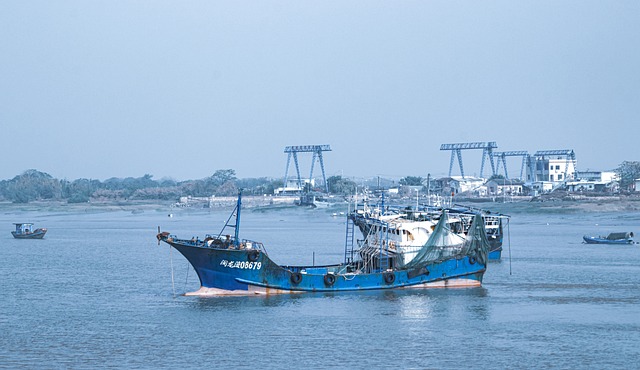
River crossings demand meticulous planning and the right equipment to ensure safety. When navigating these challenges, selecting suitable gear is a diligent effort process that requires an in-depth understanding of potential risks and environmental factors. Key components for safe river crossings include robust flotation devices, durable rope systems, and reliable communication tools.
One critical element is a title surety bond, ensuring the same level of protection as a normal title for your equipment. This becomes especially pertinent when dealing with vehicles that may have an original title missing, a situation that, while rare, requires prompt resolution through methods like Hassle-free auto title reconstruction with Quick Auto Tags to avoid legal complications and delays.
For instance, consider a scenario where a rescue team needs to cross a swift river to reach stranded hikers. High-quality life jackets, properly secured with buckles and straps, will keep individuals afloat. Stronger ropes, rated for water weight and tension, will support the group’s movement while minimizing strain on their bodies. A waterproof radio allows teams to maintain constant communication, ensuring everyone stays on track during what could be a chaotic rescue operation.
Moreover, incorporating these components into your river-crossing kit is not enough; regular maintenance and familiarization with each piece are vital. Diligently inspect equipment before every trip, replacing any worn or damaged items promptly. This meticulous approach ensures that when the time comes to put your kit to use, everything functions as intended, enhancing safety and efficiency during potentially life-or-death situations.
Navigating the Diligent Effort Process: Step-by-Step Guide

Navigating the Diligent Effort Process for Safe River Crossings
River crossings require meticulous planning and execution to ensure safety and compliance with regulations. The diligent effort process is a critical framework that guides professionals through each step of crossing preparation, execution, and post-crossing assessment. This comprehensive guide outlines a systematic approach, offering valuable insights for experts navigating these challenges. By adhering to this process, individuals can mitigate risks associated with river crossings, whether for construction, emergency response, or routine transportation.
The initial phase involves thorough site assessments, including environmental impact evaluations. Here, professionals identify potential hazards and unique geographical features. For instance, they might consider current strength, depth, and clarity, as well as the presence of debris or underwater obstructions. A Vehicle Identification Number (VIN) check is also essential for identifying vehicle specifications, aiding in load capacity assessment and ensuring compliance with weight restrictions. Additionally, understanding local regulations and obtaining necessary permits is crucial; this may involve consulting relevant authorities and acquiring specific licenses to operate during certain times or under exceptional conditions.
Next, planning and design take center stage. Experts create detailed plans, factoring in river dynamics and structural requirements. This includes selecting suitable crossing methods, such as bridges, ferries, or floating platforms, each with its own set of advantages and limitations. A surety bond might be required to guarantee financial responsibility for any potential damages. For instance, a construction project may necessitate a performance bond ensuring the completion of work according to specified standards. Title restoration services, as offered by Quick Auto Tags, can also play a role in securing documentation related to vehicle ownership and registration, especially when dealing with older or obscure vehicles.
Finally, execution and post-crossing analysis are paramount. Implementation should adhere strictly to plans while staying vigilant for unforeseen circumstances. Post-crossing evaluation is an iterative process, involving inspections to ensure structural integrity and safety protocols. This data informs future river crossing projects, refining the diligent effort process continually. By combining meticulous preparation, site-specific considerations, and comprehensive planning, professionals can confidently navigate rivers, ensuring safe passage every step of the way.
Understanding Riverside Natural Solutions: Innovative Techniques

Navigating river crossings requires a deep understanding of natural solutions, especially in regions where rivers are integral to the landscape. The diligent effort process of bridging the gap between terrain and transportation involves innovative techniques that respect and integrate with the environment. Riverside naturally emphasizes sustainable approaches, ensuring these structures enhance rather than disrupt the surrounding ecosystem. One such technique is using locally sourced materials, aligning with the natural topography, which not only reduces environmental impact but also strengthens community bonds through collaborative reconstruction efforts.
For instance, in areas where the original title of a vehicle might be missing or bonded vehicle titles are involved due to ownership changes, innovative river crossings can provide valuable case studies. Consider a recent project where a rural community needed to replace an aging bridge. Instead of a conventional structure, they implemented a custom-designed, eco-friendly design utilizing recycled materials and native plants. This not only facilitated safer travel but also attracted wildlife, fostering a more vibrant ecosystem. The process involved engaging local experts and artisans, ensuring the end result reflected the region’s unique character and history, much like a vehicle’s identification number (VIN) is integral to its identity, guiding its journey through time and ownership changes.
Reliable DMV reconstruction assistance, such as that offered by Quick Auto Tags, plays a crucial role in these endeavors. Their expertise ensures that any legal or administrative complexities, including vin verification and title processing for bonded vehicles, are handled efficiently, allowing communities to focus on the creative aspects of river crossing design. By combining traditional knowledge with modern innovations, regions can develop sustainable transportation solutions that stand the test of time, much like a well-engineered vehicle designed for longevity.
By integrating a comprehensive assessment of river crossing risks, the selection of appropriate equipment, a meticulous diligent effort process, and an understanding of rivers’ natural solutions, experts can ensure safe and efficient crossings. The key insights underscore the importance of preparation, knowledge, and adaptability in navigating these environments. Moving forward, practitioners should prioritize thorough planning, continuously update their skills, and embrace innovative techniques like natural solutions to enhance safety and sustainability during river crossings, always prioritizing a diligent effort process.


