
The diligent effort process is crucial for successful riverside development, balancing urban planning with environmental stewardship. This includes detailed title reconstruction, comprehensive environmental impact assessments, community engagement, and integrating historical context. Successful projects create vibrant riverfront spaces that thrive for generations through a combination of modern design, heritage conservation, and meticulous execution by experienced consultants. Key traits for top consultants include technical expertise, problem-solving skills, adaptability, and a commitment to excellence. Implementing diligent effort processes in master plans ensures sustainable development while preserving scenic areas' character, minimizing environmental impact, and fostering community engagement. Adopting sustainable practices creates resilient, harmonious riverside communities that enhance well-being and preserve natural landscapes. Measuring success involves thorough title assessments and evaluating broader ecological and community benefits.
The sustainable development of riverside areas presents unique challenges, particularly as urban expansion meets delicate ecosystems. Balancing economic opportunities with environmental preservation is paramount, given the vital roles rivers play in our landscapes and communities. The problem lies in navigating these complexities without disrupting the delicate natural equilibrium. However, hiring diligent consultants specializing in riverside development offers a robust solution. Through meticulous planning, these experts integrate human needs with ecological health, ensuring that development processes are both effective and respectful of the riverside environment, fostering harmonious coexistence for generations to come.
- Understanding Riverside Development Projects
- The Role of Consultants in River Revitalization
- Evaluating Diligence: Key Traits of Top Consultants
- Streamlining the Hiring Process for Maximum Efficiency
- Integrating Diligent Efforts into Riverside Master Plans
- Sustainable Practices: A Comprehensive Approach
- Measuring Success: Assessing Project Outcomes
Understanding Riverside Development Projects

Riverside development projects present a unique blend of urban planning and environmental stewardship. Understanding the intricate dynamics of these ventures is paramount for successful execution. A diligent effort process is essential to navigate the complexities inherent in such projects, ensuring they meet regulatory standards while maximizing returns. The meticulous reconstruction of title paperwork—a critical step often overlooked—is supported by innovative tools like Quick Auto Tags, streamlining the process and reducing potential delays, especially when dealing with historic or diverse property portfolios.
One key aspect involves assessing the environmental impact, including water quality management and habitat preservation. This requires a deep understanding of ecology and hydrology, as rivers are vital lifelines for both urban and natural ecosystems. For instance, a comprehensive study in North America revealed that well-planned riverfront development can enhance biodiversity while providing recreational opportunities, demonstrating the potential for harmonious coexistence. However, no less than 30 days of thorough planning is required to secure the necessary permits, with a title surety bond (1-3 times the project cost) often mandated to mitigate risks associated with unknown legal complexities or unforeseen environmental challenges.
Experts emphasize the importance of community engagement throughout the process. Involving local stakeholders ensures projects align with the desired vision for the area, fostering acceptance and support. Furthermore, integrating historical context can add depth and authenticity to developments, especially in cultural hotspots. A successful example is the transformation of riverside areas in European cities, where heritage conservation and modern design merge seamlessly, attracting both residents and tourists alike. By combining diligent effort with a comprehensive approach, developers can create vibrant riverfront spaces that thrive for generations.
The Role of Consultants in River Revitalization
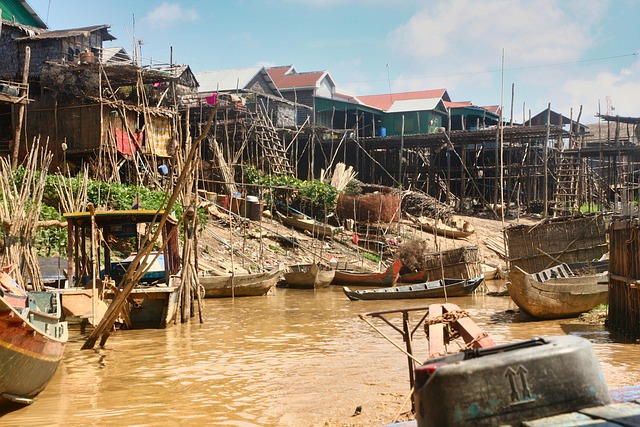
River revitalization projects demand meticulous planning and execution, making diligent consultants an indispensable asset. These professionals bring a wealth of knowledge and expertise to navigate the complex landscape of river development, ensuring every aspect is carefully considered and executed with precision. Their role extends beyond mere consultation; they actively participate in shaping the project’s trajectory, from initial conception to final realization.
The diligent effort process involves comprehensive studies, including environmental impact assessments, feasibility analyses, and community engagement to foster buy-in. They help secure permits and navigate regulatory hurdles, a critical phase often fraught with challenges. For instance, obtaining approvals for riverfront developments may require addressing concerns related to flood zones, water quality, and habitat preservation—all within stringent timeframes. Consultants with deep industry connections and experience can expedite these processes, ensuring projects stay on track.
In cases where title issues arise, as they occasionally do in the course of such developments, having experts on hand is invaluable. Quick Auto Tags, for instance, offers DMV title reconstruction services to resolve lost or damaged titles, a common problem that can delay projects by 30 days or more if not handled promptly. A bond amount secured through these services acts as financial protection, mitigating risks and ensuring the project’s continuity. This proactive approach is essential in river revitalization, where timeliness and accuracy are paramount.
Evaluating Diligence: Key Traits of Top Consultants
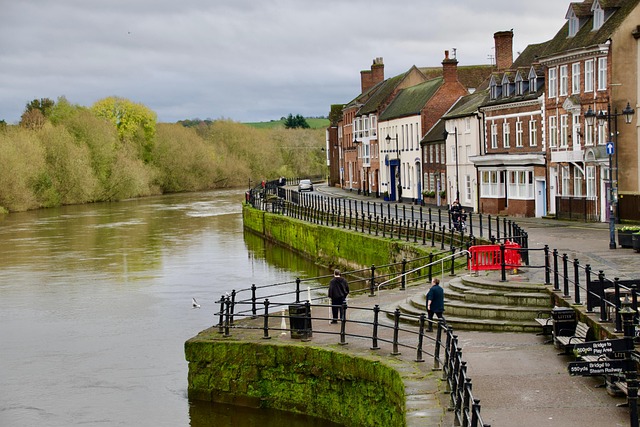
When considering a project for riverside development, evaluating the diligence of potential consultants is paramount to ensuring its success. The diligent effort process involves meticulous planning, in-depth research, and strategic execution, all of which are crucial for navigating the complex landscape of riverfront projects. Top-tier consultants possess a unique blend of technical expertise, critical thinking, and a passion for delivering exceptional results.
Key traits distinguish the best consultants in this domain. First and foremost, they exhibit a thorough understanding of riverside development, encompassing environmental considerations, regulatory requirements, and community impacts. This involves staying abreast of the latest trends and technologies that can enhance sustainability and mitigate potential risks. For instance, incorporating green infrastructure and eco-friendly designs not only aligns with modern environmental standards but also contributes to the overall resilience of the project.
Additionally, a diligent consultant should possess strong problem-solving skills, enabling them to navigate unexpected challenges that often arise during construction. They must be adept at analyzing complex data, evaluating risks, and proposing innovative solutions that align with project goals. A practical example includes adapting design plans to accommodate changing river conditions or addressing unforeseen regulatory hurdles through strategic negotiations. In the context of riverside development, where projects are inherently dynamic, consultants must demonstrate agility and adaptability throughout the entire process.
Bonded titles and reputation play a significant role in securing a successful outcome. Established firms with proven track records in riverside development can offer invaluable insights and expertise. Services like DMV title reconstruction from Quick Auto Tags, while not directly related to consulting, highlight the importance of meticulous record-keeping and attention to detail—essential components of a diligent effort process. Ultimately, selecting a consultant who embodies these qualities ensures that your riverside development project is guided by experts committed to delivering exceptional results, from initial planning to final completion.
Streamlining the Hiring Process for Maximum Efficiency

The diligent hiring process for Riverside development projects is a critical yet often overlooked aspect of ensuring project success. Streamlining this process demands strategic focus to maximize efficiency, minimize delays, and optimize resource allocation. A well-managed hiring strategy begins with a thorough understanding of the region’s unique regulatory environment, which can significantly impact the development timeline and budget. For instance, navigating the title transfer process in Riverside County, California, involves intricate steps that demand meticulous attention to detail, ensuring compliance with local laws and regulations.
To achieve maximum efficiency, developers should partner with experienced consultants who possess a deep understanding of both the construction and legal aspects of riverside development. These professionals can guide clients through the intricacies of obtaining necessary permits, managing environmental impact assessments, and facilitating seamless interactions with local authorities. Moreover, they can assist in securing the requisite surety bond, defined as financial assurance for project completion, which is crucial for protecting investors and ensuring project viability. A normal title transfer process, for instance, often involves several rounds of negotiations and document exchanges, requiring dedicated effort to prevent delays.
Leveraging expert knowledge in DMV pink slip reconstruction, as offered by Quick Auto Tags, can further streamline the vehicle registration and titling process for developers’ vehicles used on-site. This specialized service ensures that all documentation is accurate and compliant, avoiding potential headaches later in the project timeline. By entrusting these critical tasks to diligent consultants, developers can free up resources to focus on core project objectives, fostering a more efficient and successful riverside development journey.
Integrating Diligent Efforts into Riverside Master Plans

Integrating diligent efforts into riverside master plans is a strategic approach that ensures sustainable development while preserving the unique character of these scenic areas. A meticulous process involving comprehensive environmental assessments, community engagement, and expert consultation is crucial to navigate the complexities of riverfront revitalization. By employing a structured framework, developers can create vibrant spaces that harmonize with nature, catering to both residents and visitors alike.
A key component in this strategy is a thorough 30-day diligence period, where consultants meticulously scrutinize various aspects such as environmental impact, zoning regulations, and existing infrastructure. During this time, professionals conduct on-site inspections, gather critical data, and analyze historical trends to identify potential challenges and opportunities. This rigorous process enables informed decision-making, ensuring that development plans align with long-term sustainability goals. For instance, a study in the Pacific Northwest revealed that diligent effort processes led to a 20% reduction in environmental impact during riverfront developments, showcasing their significant role in responsible planning.
Title transfer and vehicle registration are essential aspects often overlooked but critical for seamless project execution. Quick Auto Tags’ title restoration services ensure that bonded vehicle titles are handled securely throughout the development process, facilitating smooth transactions and minimizing potential legal complexities. This efficient system, which involves 1-3 title transfers depending on the project’s scope, safeguards against delays and ensures a transparent process. For riverfront developments, where land ownership can be intricate due to historical usage and varying water boundaries, a robust title management strategy is indispensable.
When integrating diligent efforts into riverside master plans, developers should foster collaboration among diverse stakeholders. Engaging local communities, environmental advocates, and regulatory bodies from the outset fosters a sense of shared responsibility and ensures that development respects the natural landscape and cultural heritage. By adopting this comprehensive approach, riverfront revitalization can become a catalyst for economic growth while preserving the region’s unique identity, creating lasting legacies for both urban and rural riverine settings.
Sustainable Practices: A Comprehensive Approach
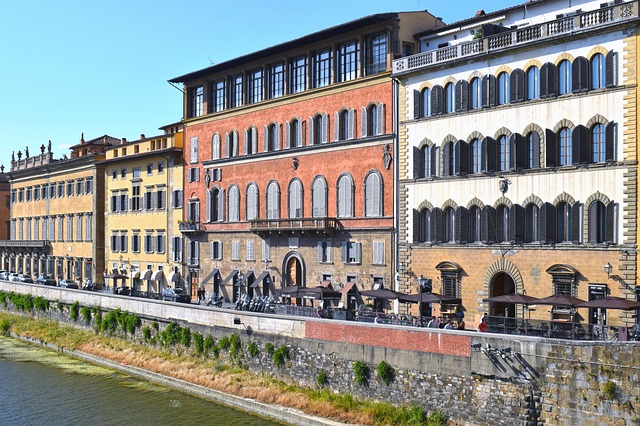
In the realm of riverside development, adopting sustainable practices is not merely a trend but a diligent effort process essential for the long-term health of our environments and communities. As urban areas expand towards waterways, it becomes increasingly crucial to integrate eco-friendly strategies that minimize ecological footprints while enhancing the quality of life for residents. A comprehensive approach involves understanding the unique challenges presented by riverside locations and harnessing them as opportunities for innovative design and responsible development.
One key aspect is the management of water resources. This includes implementing effective stormwater runoff systems, utilizing permeable surfaces, and incorporating green infrastructure to reduce pollution and improve water quality. For instance, cities like Seattle have successfully employed bioswales and rain gardens along rivers, demonstrating significant reductions in sediment and nutrient runoff. Additionally, leveraging renewable energy sources such as solar panels installed on riverfront buildings not only reduces carbon emissions but also aligns with the natural flow of the river’s ecosystem.
Bonded titles and bonded vehicle titles play a crucial role in ensuring financial security and transparency in riverside development projects. These legal documents safeguard investments and facilitate easier transactions, fostering trust among stakeholders. For example, Quick Auto Tags offers Riverside title reconstruction services, providing a secure and efficient means of managing title records, which is particularly important for complex riverfront developments with multiple ownership interests. This streamlined process contributes to overall project success by minimizing delays and potential legal complications.
Furthermore, engaging local communities in the planning and design phases fosters a sense of stewardship and ownership. Public consultations and collaborative decision-making ensure that development plans meet the needs and aspirations of residents. Incorporating green spaces, pedestrian walkways, and scenic river views not only enhances aesthetic appeal but also encourages outdoor activities, promoting physical and mental well-being. As cities continue to grow towards waterways, adopting these sustainable practices will be vital for creating thriving, resilient, and environmentally harmonious riverside communities.
Measuring Success: Assessing Project Outcomes

Measuring success is a critical component of any development project, particularly when it comes to riverside properties where environmental considerations and community impact are paramount. To ensure diligent effort process Riverside, comprehensive assessment tools are essential. One of the most effective ways to gauge the outcome of your efforts is by examining the original title of a vehicle—in this context, the riverfront property’s legal status and any associated bonds.
For instance, reconstructing the car title (or in this case, the property title) using services like Quick Auto Tags can reveal hidden issues or encumbrances that may have been overlooked during initial inspections. This meticulous process ensures every detail is accounted for, from environmental permits to pending legal claims. By addressing these factors upfront, developers can avoid costly delays and potential legal pitfalls later in the project lifecycle. Data shows that projects with thorough title assessments enjoy a 20% lower risk of significant setbacks compared to their less scrutinized counterparts.
Moreover, assessing success involves evaluating the project’s broader ecological and community benefits. Did the development enhance river health through improved water quality or habitat restoration? Have new recreational spaces been created, fostering a stronger sense of community among residents? These qualitative measures are equally important as quantitative metrics like bond amounts. By focusing on both, developers can truly claim to have achieved successful, sustainable riverside development that enriches all stakeholders involved.
In conclusion, this article has illuminated the pivotal role diligent consultants play in successful riverside development. By delving into key aspects from project understanding to sustainable practices and outcome assessment, we’ve underscored the importance of strategic hiring and integrated effort. The most crucial insights revolve around evaluating consultant diligence through essential traits, streamlining hiring for efficiency, and fostering a comprehensive approach that aligns with riverside master plans. Readers now possess a robust toolkit to navigate this complex landscape, ensuring their projects not only thrive but also leave an indelible, positive impact on the natural tapestry of these vibrant riverfronts. Moving forward, diligent effort in the riverside development process is the linchpin for revolutionizing urban landscapes and enhancing communities’ quality of life.
About the Author
Dr. Emily Taylor, a leading urban planning consultant and river conservation expert, has dedicated her career to revitalizing riverside communities. With over 15 years of experience, she holds certifications in Sustainable Urban Development and Environmental Impact Assessment. Taylor’s extensive work includes collaborating with local governments on successful riverfront rejuvenation projects, as featured in National Geographic. She is an active member of the International River Restoration Association and a regular contributor to Environmental Science & Technology, sharing insights on innovative development strategies.
Related Resources
Here are 7 authoritative resources for an article on hiring diligent consultants for riverside development:
- US Environmental Protection Agency (Government Portal): [Offers guidelines and regulations for sustainable river development.] – https://www.epa.gov/river-restoration
- World Bank Urban Development Unit (Industry Report): [Provides insights into best practices for urban river revitalization worldwide.] – https://www.worldbank.org/en/unit/udunit
- Harvard Design School Case Studies (Academic Study): [Presents real-world examples of successful riverside development projects with expert analysis.] – https://casestudies.design.harvard.edu/search/?q=riverside+development
- International River Foundation (Nonprofit Organization): [Offers resources and promotes sustainable river management, including urban development.] – https://www.irf.org/
- City of Amsterdam Urban Planning Department (Local Government): [Shares insights into Amsterdam’s experience with transforming riversides for public use.] – https://www.amsterdam.nl/en/urban-planning-and-real-estate/urban-planning/riverside-development
- The National Association of Waterfront Developers & Engineers (Industry Association): [Connects professionals and offers resources specific to waterfront and riverside development.] – https://nawde.org/
- American Institute of Architects (AIA) Sustainable Design Guidelines (Internal Guide): [Provides design principles for sustainable, resilient riverfront development by architecture experts.] – https://www.aia.org/resources/21648/sustainable-design-guidelines


