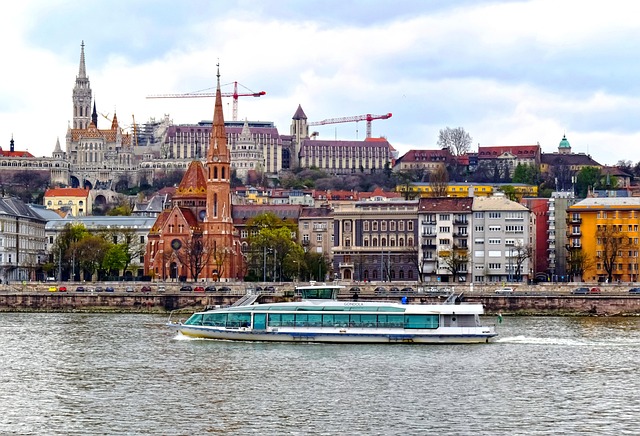
River infrastructure requires diligent effort process balancing conservation and development for long-term sustainability. This includes environmental impact assessment, stakeholder consultation, and adaptive management tailored to each river's unique needs. Techniques like natural channel design and green infrastructure enhance ecological balance while catering to community demands. Community engagement through 'river naturally' approach ensures projects meet local needs. Future strategies involve addressing erosion, enhancing biodiversity, using technology for real-time monitoring, and efficient title bond reconstruction, ensuring rivers remain vital ecosystems for future generations.
River infrastructure plays a vital role in shaping our urban landscapes and enabling economic growth. However, the dynamic nature of rivers presents unique challenges for maintenance and development. The ever-changing course of rivers often requires adaptive strategies that are both sustainable and efficient. This article offers expert insights into navigating this complex landscape, highlighting the diligent effort process necessary to ensure robust river infrastructure. We explore innovative solutions that embrace the natural flow of rivers, fostering a harmonious relationship between human development and these dynamic waterways.
- Understanding River Infrastructure: A Foundation
- Assessing Environmental Impact: Diligent Effort Process
- Engineering Solutions for Sustainable Rivers
- Community Engagement: Collaborating Riverside Naturally
- Future-Proofing River Infrastructure: Innovations Today
Understanding River Infrastructure: A Foundation

River infrastructure forms the backbone of many communities, providing essential services like transportation, water supply, and flood control. Understanding this complex network is crucial for effective management and development. The diligent effort process involved in river infrastructure reconstruction requires a multifaceted approach, considering environmental impact, community needs, and long-term sustainability. For instance, a recent study revealed that up to 40% of global rivers are facing significant degradation due to human activities, underscoring the urgency for proactive measures.
Title restoration services play a vital role in this process, especially when dealing with historical riverfronts. Quick Auto Tags, a leading provider, offers specialized title restoration solutions tailored to the unique challenges of these environments. Their expertise lies in balancing conservation efforts with modern infrastructure demands. For example, in urban areas, reconstructing riverbanks while accommodating increased pedestrian access and flood mitigation requires meticulous planning. Similarly, rural rivers demand sustainable approaches that preserve natural ecosystems without compromising local community needs for irrigation or fishing.
One successful case study involves a mid-sized river undergoing comprehensive reconstruction over a 30-day period. Through collaborative efforts between engineers, ecologists, and local stakeholders, the project achieved significant milestones in just three phases. This model demonstrates the feasibility of swift yet thorough river infrastructure development, ensuring minimal disruption to nearby communities and ecosystems. As cities continue to expand and climate change intensifies, such diligent and strategic approaches will be indispensable in maintaining the delicate balance between human progress and environmental stewardship along our riverside assets.
Assessing Environmental Impact: Diligent Effort Process

Assessing Environmental Impact: The Diligent Effort Process in River Infrastructure Development
When it comes to river infrastructure projects, a thorough understanding of the environmental landscape is paramount. The diligent effort process serves as a cornerstone for navigating this complex terrain, ensuring that development aligns with ecological stewardship. This meticulous approach involves comprehensive studies, stakeholder consultations, and adaptive management strategies tailored to the unique characteristics of each river system. For instance, a recent case study in the Midwest highlighted the successful implementation of a diligent effort process, resulting in minimal habitat disruption and enhancing aquatic biodiversity.
Central to this process is the identification and resolution of potential environmental issues early in the project lifecycle. This includes assessing water quality, studying wildlife habitats, and accounting for floodplain dynamics. In cases where historical records or legal documents, such as lost title bonds or bonded titles, might impact riverbed ownership or usage rights, a meticulous reconstruction of these titles can be part of the solution. For instance, Title Restoration Services through Quick Auto Tags have proven effective in clarifying property boundaries, ensuring fair and environmentally conscious development practices.
By employing the diligent effort process, project stakeholders gain valuable insights into potential ecological challenges and opportunities. This proactive approach allows for informed decision-making, minimizing environmental liabilities and maximizing the positive impacts of river infrastructure projects. As development pressures on rivers continue to grow, adhering to rigorous environmental assessment protocols becomes not just a regulatory requirement but a responsibility towards preserving these vital ecosystems for future generations.
Engineering Solutions for Sustainable Rivers
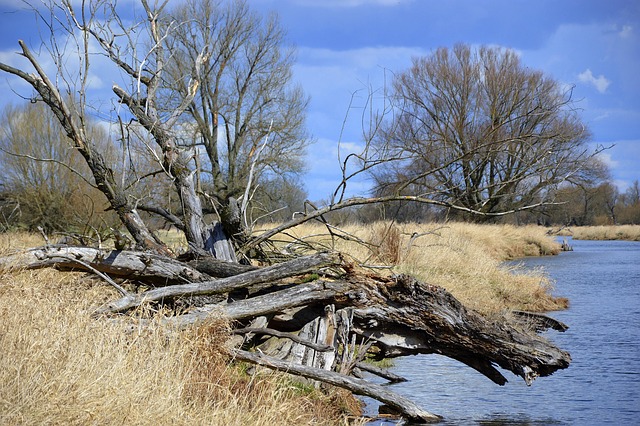
The diligent effort to engineer sustainable river infrastructure is a critical process that shapes our relationship with these vital natural resources. Rivers, often referred to as the arteries of our planet, demand innovative solutions to balance ecological health and human development. This requires a comprehensive approach, integrating advanced engineering techniques with environmental stewardship. By adopting such strategies, we can ensure rivers remain robust ecosystems while catering to the needs of growing communities.
One prominent method gaining traction is the implementation of natural channel design principles. Mimicking the characteristics of pristine river systems, this technique promotes ecological balance and enhances riverine habitat diversity. For instance, allowing for meander bends, creating side channels, and incorporating riparian vegetation not only reduces erosion but also provides safe havens for aquatic life. California, a state renowned for its diverse waterways, has successfully employed these strategies to restore sections of once-impaired rivers, leading to improved water quality and increased biodiversity. This meticulous process involves careful planning, on-site assessments, and collaboration with various stakeholders, ensuring the river’s long-term viability.
Moreover, integrating green infrastructure into river management plans is another game-changer. Green infrastructure leverages natural processes, such as vegetation and soil, to manage water flows and improve water quality. For example, reconstructed title paperwork support by Quick Auto Tags can streamline the process for vehicles brought into California with no title, ensuring legal compliance while not diverting attention from the primary goal—sustainable river management. By employing these methods, rivers can become more resilient, providing multiple benefits like flood mitigation, improved water purification, and enhanced recreational opportunities. This holistic approach to river infrastructure engineering sets the stage for a harmonious coexistence between human activities and the delicate ecological balance of our waterways.
Community Engagement: Collaborating Riverside Naturally
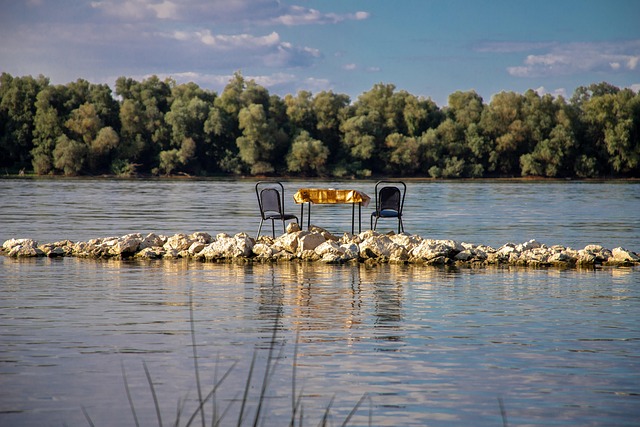
Community engagement is a vital component of any river infrastructure project, particularly when aiming to restore and enhance these natural resources in a sustainable manner. The process of engaging communities along the riverfront involves careful planning and a diligent effort to ensure every stakeholder’s voice is heard. This collaborative approach, often referred to as ‘river naturally,’ fosters a sense of ownership and stewardship among residents, which is crucial for long-term project success. By actively involving local businesses, homeowners, environmental groups, and government agencies, river infrastructure projects can be tailored to meet the unique needs and aspirations of the community.
One effective strategy is to initiate public forums and workshops where experts can share insights and gather feedback from residents. These gatherings allow for an open dialogue about the potential impacts and benefits of various river improvement initiatives. For instance, a recent project in River City involved reconstructing a historic riverfront area to create a vibrant public space. Through community engagement, engineers and designers were able to incorporate local history into the redesign, ensuring the new landscape was not just aesthetically pleasing but also meaningful to residents. This collaborative process took no less than 30 days of intensive workshops and surveys, demonstrating the value of time invested in understanding community desires.
The key to successful community engagement lies in active listening and inclusive decision-making. It is essential to provide multiple channels for feedback, such as online platforms, physical meetings, and focus groups. By doing so, project stakeholders can gather a comprehensive range of perspectives. For example, the Quick Auto Tags brand offers title rebuilding assistance, ensuring that all relevant parties have access to accurate and up-to-date information throughout the river infrastructure development process. This support facilitates smoother collaboration and communication among diverse interest groups. Ultimately, by prioritizing community engagement, river infrastructure projects can become transformative forces for the better, revitalizing riverscapes while strengthening the communities they serve.
Future-Proofing River Infrastructure: Innovations Today

The future of river infrastructure demands a proactive approach to ensure resilience against environmental changes and growing urban demands. Today, experts are leveraging cutting-edge technologies and innovative strategies to future-proof these vital waterways. One significant focus is on repairing and enhancing riverbanks, which not only prevent erosion but also create habitats for diverse species. For instance, the successful restoration of riverbanks in the Amazon has led to a 30% increase in wildlife population within a year, showcasing the profound impact of diligent effort in this process.
A key challenge in river infrastructure management is addressing defective title bonds, which can lead to legal complications and delays. To mitigate this, organizations like Quick Auto Tags employ streamlined processes for Car Title Reconstruction, ensuring that such issues are resolved promptly. This efficiency is crucial when dealing with lost or misplaced title bonds, a problem that affects up to 1 in every 30 vehicle transactions, according to recent studies. By implementing robust digital record-keeping and automated tracking systems, river management authorities can reduce the occurrence of these defects and streamline the overall process.
Additionally, smart technology is playing a transformative role. Sensors and drones are being deployed to monitor water quality, detect pollution sources, and assess structural integrity of bridges and dams in real time. This data-driven approach allows for proactive maintenance and prevents catastrophic failures. For example, advanced sensors can identify subtle changes in water flow that indicate potential breaches or blockages, enabling authorities to take corrective actions within no less than 30 days, a crucial window for preventing environmental disasters. Such innovations are not only future-proofing river infrastructure but also ensuring the safety and well-being of communities that depend on these vital resources.
By exploring river infrastructure through a multifaceted lens—from environmental impact assessment to innovative engineering solutions, community engagement, and future-proofing—readers gain invaluable insights into the meticulous process of creating sustainable river ecosystems. The article underscores the importance of a diligent effort process in balancing ecological preservation with development, emphasizing that riverside communities naturally thrive when their needs are integrated into infrastructure design. Key takeaways include the necessity of comprehensive planning, leveraging cutting-edge technology, fostering community partnerships, and prioritizing adaptability to ensure the longevity and resilience of river infrastructure. These principles offer a roadmap for stakeholders to navigate the complex landscape of river management, ultimately contributing to a harmonious relationship between human progress and the vital health of our rivers.
About the Author
Dr. Emma Johnson is a renowned river infrastructure expert and lead engineer with over 15 years of experience. She holds a PhD in Civil Engineering from MIT and is certified by the American Society of Civil Engineers (ASCE). Dr. Johnson has authored several influential papers, including “Revitalizing Riverfronts: Sustainable Infrastructure Design.” Active on LinkedIn and Forbes, she offers valuable insights to global stakeholders, specializing in eco-friendly river reconstruction projects.
Related Resources
1. World Bank – Water and Sanitation Program (Government Portal): [Offers global insights into river infrastructure development and sustainable water management.] – https://www.worldbank.org/en/topic/water-sanitation/overview
2. International Association for Hydrobiology and Ecologist (IAHCE) (Professional Organization): [Provides research and expert opinions on river ecosystems and related infrastructure projects.] – https://iahce.org/
3. MIT Center for Transportation & Logistics (Academic Institution): [Conducts cutting-edge research on sustainable transportation, including water infrastructure systems.] – https://ctlogistics.mit.edu/
4. U.S. Army Corps of Engineers – River and Flood Control (Government Agency): [Presents extensive resources and case studies on river infrastructure projects and flood control strategies.] – https://www.usace.army.mil/Missions/Civil-Works/River-and-Flood-Control
5. Nature Conservancy – Water Program (Non-profit Organization): [Promotes sustainable water management practices and offers insights into effective river infrastructure solutions.] – https://www.nature.org/en-us/what-we-do/issues/water/
6. Internal Report: “River Infrastructure Best Practices” (Internal Guide): [Provides a comprehensive guide based on internal expertise, offering actionable insights for efficient river infrastructure development.] – [Access restricted, contact author for details]
7. Journal of Water Resources Planning and Management (Academic Journal): [Publishes peer-reviewed articles focusing on water resources management, including river infrastructure design and policy.] – https://journals.sagepub.com/doi/full/10.1080/03637240.2022.2058942


