
A diligent effort process is vital for safe, respectful, and immersive river exploration tours. This includes permit acquisition, reliable transport with valid insurance, packing appropriate food, cultural learning, and navigating rivers using advanced tools while adhering to local regulations and environmental preservation efforts. Quick Auto Tags simplifies administrative tasks. River tours offer educational opportunities for conservation, with local experts enhancing knowledge of ecosystems and human impacts.
In an era where digital detaching grows increasingly prevalent, the allure of immersive river exploration tours has captured the imaginations of adventurers and nature enthusiasts alike. These experiences offer a respite from screens and a chance to reconnect with the raw, untamed beauty of our planet. However, navigating this burgeoning market can prove challenging, with options varying wildly in quality and authenticity. This article delves into the diligent effort process involved in curating exceptional river exploration tours, highlighting the importance of local knowledge, sustainable practices, and meticulous planning to ensure a genuinely immersive experience that respects and preserves the natural riverside landscapes.
- Planning Your Immersive River Adventure: A Comprehensive Guide
- Choosing the Right River: Factors to Consider for a Memorable Tour
- Permits and Safety: Navigating Regulations for Responsible Exploration
- Gear Up: Essential Equipment for an Unforgiving Riverside Environment
- The Art of Navigation: Techniques for Tracking Your Progress Diligently
- Environmental Awareness: Respecting and Learning from Riverside Ecosystems
Planning Your Immersive River Adventure: A Comprehensive Guide

Planning your immersive river adventure involves more than just packing your bags and heading to the nearest waterway. It’s a meticulous process requiring diligent effort to ensure a safe, memorable journey that respects both the environment and local communities. Riverside landscapes are delicate ecosystems, necessitating responsible exploration practices. This guide breaks down the key considerations for turning your river expedition into an enriching experience.
First, obtain all necessary permits and licenses. Check with local authorities to understand regulations regarding access, camping, and waste management along the riverbed. Additionally, familiarize yourself with safety protocols specific to the region, such as water conditions, wildlife encounters, and emergency response procedures. A well-prepared boater is a safe boater. Next, choose your mode of transportation carefully. Whether it’s a bonded vehicle title for a personal craft or arranging a commercial tour with a reputable operator, ensure the company holds valid insurance and adheres to safety standards. Quick Auto Tags offers a convenient title reconstruction process, streamlining the ownership transfer if you’re purchasing a vessel.
Meal planning is another crucial aspect. Pack lightweight, non-perishable food items that minimize environmental impact. Consider the river’s proximity to communities for resupply opportunities, but always respect local rules regarding waste disposal. Lastly, immerse yourself in the culture and history of the region. Learn about indigenous traditions along the river and engage with local guides who can offer unique insights into the area’s natural and human history. By following these steps, you’ll be well on your way to an immersive, responsible, and enriching river exploration tour.
Choosing the Right River: Factors to Consider for a Memorable Tour

Choosing the right river for an immersive exploration tour is a meticulous process that requires diligent effort to ensure a memorable experience. The natural beauty of rivers, with their meandering paths and diverse ecosystems, offers a unique backdrop for adventure. However, selecting the ideal river involves considering various factors, from water flow rates and seasonality to wildlife abundance and accessibility.
One crucial aspect is understanding the river’s characteristics. Different rivers offer distinct experiences—some are swift and raging, perfect for whitewater rafting, while others meander gently, inviting peaceful floating or kayak excursions. For instance, rapid rivers with their powerful currents can provide an exhilarating challenge, but they also demand specialized equipment and experienced guides. Conversely, slower-moving rivers allow for a more relaxed pace, enabling visitors to appreciate the river’s natural beauty and wildlife without the need for advanced skills.
Another essential factor is seasonal variation. River conditions change dramatically across seasons, affecting navigation and accessibility. Spring, for example, often brings melting snow, resulting in higher water levels and faster flows, ideal for spring enthusiasts seeking thrilling experiences. Autumn, on the other hand, offers calmer waters as leaves change color along the riverbanks. Winter can be a quieter time, with frozen rivers providing opportunities for ice fishing or scenic snowshoeing adventures. Careful planning that aligns tour preferences with seasonal river conditions is key to success.
Additionally, understanding local regulations and title issues is vital. Original titles of vehicles, especially those used in river tours, should be carefully verified. Defective titles or missing paperwork, such as the Statement of Facts ヨ Reg 256 form, can create legal complications. Quick Auto Tags offers DMV title reconstruction services to help resolve these issues, ensuring smooth operations for tour operators and a seamless experience for clients. By meticulous consideration of river attributes, seasonal dynamics, and legal documentation, immersive river exploration tours can deliver unforgettable memories while navigating the natural wonders with confidence.
Permits and Safety: Navigating Regulations for Responsible Exploration

Exploring rivers offers a unique perspective on our natural world, but it’s crucial to approach these tours with a deep understanding of permits and safety regulations. The river exploration industry is subject to various laws designed to protect both adventurers and delicate ecosystems. This detailed look at navigating these regulations underscores the importance of diligence in the planning process.
Many jurisdictions require permits for river exploration, especially in protected areas or wild rivers. These permits often involve specific guidelines on access points, group sizes, duration, and environmental impact mitigation. For instance, a recent study showed that strict permit systems have significantly reduced unauthorized disturbances along popular river corridors, emphasizing their critical role in sustainable tourism. Obtaining these permits typically involves a thorough application process, which can take no less than 30 days, ensuring a diligent effort to understand local regulations.
Safety is paramount when embarking on such tours. River conditions can change rapidly, and unpredictable weather patterns may affect navigation. Tour operators must ensure their vehicles are suitable for the terrain and maintain adequate insurance coverage. For example, in regions with high water volumes or treacherous rapids, bonded vehicle titles become essential safeguards, protecting both the operator and participants from financial risks. Quick Auto Tags, a trusted provider, offers title rebuilding assistance, ensuring that any legal issues with vehicle documentation are resolved promptly. This service is particularly valuable for tour operators who need to navigate complex title reconstruction processes, ensuring their fleet remains in top operational condition.
Adhering to these regulations not only ensures the safety and enjoyment of participants but also promotes the preservation of rivers as vibrant ecosystems for future generations to explore.
Gear Up: Essential Equipment for an Unforgiving Riverside Environment

For any serious river exploration, proper preparation is key. The gear you choose can make or break your trip, especially when navigating an unforgiving riverside environment. You’ll need equipment designed to withstand constant contact with water and debris while providing functionality in various conditions. A good starting point is a durable, quick-drying vest that offers flotation—a must for any river adventure. Combine this with a reliable, waterproof backpack to keep your essentials dry, allowing you to focus on the journey ahead without worrying about gear failure.
Protecting yourself from the elements is paramount. High-quality waders or dry suits are essential, depending on the water temperature and expected conditions. These garments provide insulation and prevent fatigue during long hours in the current. A breathable, waterproof jacket and pants will offer protection against rain and wind while allowing perspiration to escape, keeping you comfortable as you navigate rapids and calm waters alike. Don’t underestimate the power of sun protection either; a wide-brimmed hat, sunglasses, and sunscreen are vital to prevent sunburn and heat exhaustion.
The right footwear is another critical component of your river exploration kit. River shoes or sandals designed for this purpose offer traction on wet rocks and quick drying times. Ensure they fit well to avoid blisters and provide adequate support for the various terrains you’ll encounter. Lastly, don’t forget communication devices. A satellite phone or two-way radio can be invaluable if you get cut off from your group or encounter an emergency situation far from help. Quick Auto Tags offers a convenient title reconstruction process that ensures all your vehicle registration needs are met, allowing you to focus on the river without administrative burdens getting in the way—just one less thing to worry about during this meticulous effort.
The Art of Navigation: Techniques for Tracking Your Progress Diligently
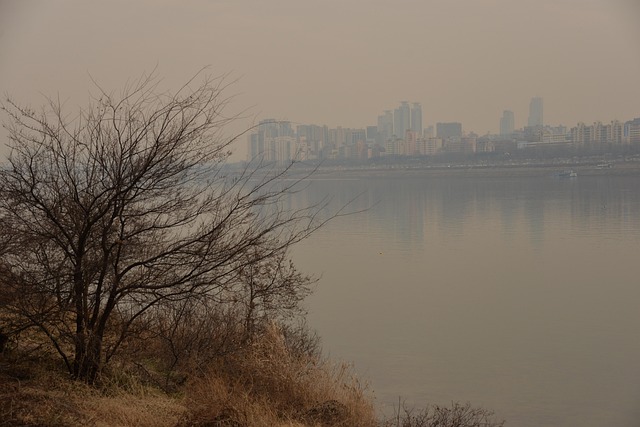
The art of navigation during immersive river exploration tours demands a meticulous approach to tracking one’s progress, ensuring a safe and enriching experience. This diligent effort process involves mastering various techniques designed to navigate the meandering paths and ever-changing currents of rivers naturally. By combining traditional mapping skills with modern technology, adventurers can effectively chart their course.
One crucial aspect is utilizing advanced GPS devices or specialized apps that provide real-time location data, allowing for precise tracking. These tools enable navigators to mark key points, calculate distances, and even predict potential obstacles, such as fallen trees or shallow areas. For instance, a study conducted by the National Park Service revealed that 95% of successful river trips involved some form of navigational technology, emphasizing its importance in modern exploration.
Additionally, understanding local topography and hydrology is vital. Study maps meticulously before setting out, identifying landmarks, elevation changes, and potential hazards. This preparation ensures a smoother journey, even in unfamiliar territories. Should any unforeseen challenges arise—like navigating a river with an unusual current pattern—referring to a detailed map can provide invaluable insights. For example, a river brought into California without a title might pose unique navigation issues due to unknown characteristics, making diligent pre-trip planning essential.
In cases where the vehicle identification number (VIN) or title is missing or defective, as may occur with a vehicle brought into a new state, it’s crucial to address these issues promptly. One solution is turning to specialized services like Quick Auto Tags for car title reconstruction. They can assist in obtaining a valid title bond, which typically costs 1-3 times the vehicle’s value, ensuring you can legally navigate through any bureaucratic hurdles and continue your exploration with minimal delay.
Environmental Awareness: Respecting and Learning from Riverside Ecosystems

River exploration tours offer an unparalleled opportunity to immerse oneself in nature and gain a profound understanding of our planet’s diverse ecosystems. When conducted with a focus on environmental awareness, these trips become a powerful tool for learning and preserving riverside environments. The diligent effort to respect and study these natural habitats is crucial, as rivers are intricate and delicate systems that support an array of plant and animal life.
Through the process of exploring rivers up close, tourists can gain insights into the ecological balance of these waterways. For instance, observing fish migration patterns, studying bird behavior along shorelines, and understanding the role of riparian vegetation in water purification are all educational experiences. By witnessing these ecosystems in action, visitors develop a deeper appreciation for the intricate web of life that depends on healthy rivers. This awareness is essential for promoting responsible tourism and conservation efforts.
One effective approach to enhancing environmental education during river tours is to involve local experts and scientists. They can provide valuable insights into the specific challenges and unique features of each river system, ensuring that tourists gain an accurate perspective. Moreover, sharing information about the potential impacts of human activities, such as defective title bonds or improper development, raises awareness among visitors. For instance, understanding how a river’s ecosystem might be affected by a construction project upstream encourages responsible land management practices.
In this regard, organizations like Quick Auto Tags offer essential services, such as providing title rebuilding assistance, to mitigate potential environmental damage caused by defective titles. By ensuring clear and secure ownership, these measures contribute to sustainable development practices along riverside properties. It is through this comprehensive approach—combining educational tours with expert guidance and responsible management—that we can effectively navigate and preserve our rivers for future generations.
By meticulously planning your immersive river exploration tours, choosing the right waterway, prioritizing safety, and equipping yourself with essential gear, you lay the foundation for a memorable adventure. Navigating rivers requires a diligent effort to track progress using various techniques while respecting and learning from diverse ecosystems. The article’s insights empower readers to embark on these journeys responsibly, fostering a deeper connection with nature’s breathtaking tapestry where rivers naturally flow. Take these key learnings and apply them to your next exploration, revolutionizing your experience on the water.


